
Liquid biofertilizers
- All products
- Brands
- Clothing care products
- Fertilizers for plants
- Fresheners are natural
- Garden care products
- Household products
- Insect and pest control products
- Personal care and hygiene products
- Shoe care products
Total 5 products
-
28,00 ₴ Select options ;
-
46,00 ₴ Select options ;
-
76,00 ₴ Select options ;
-
76,00 ₴ Select options ;
-
228,00 ₴ Select options ;
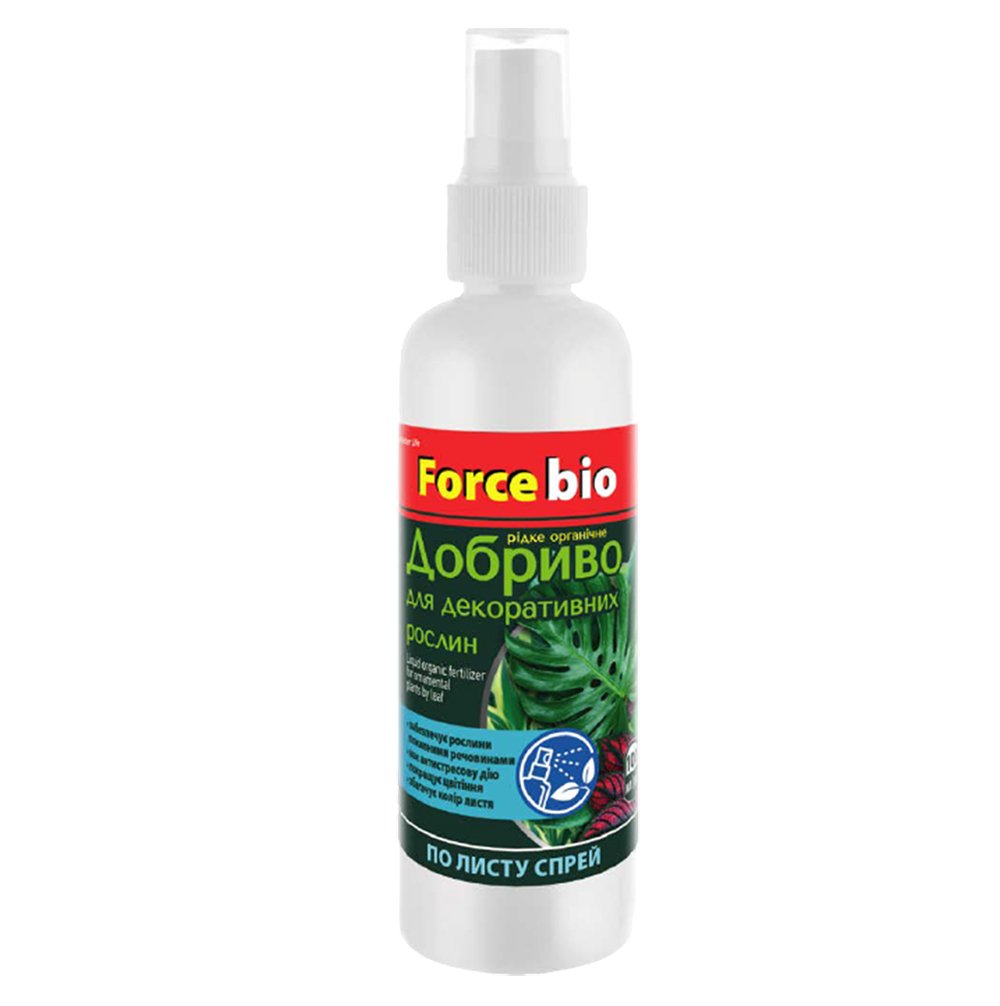
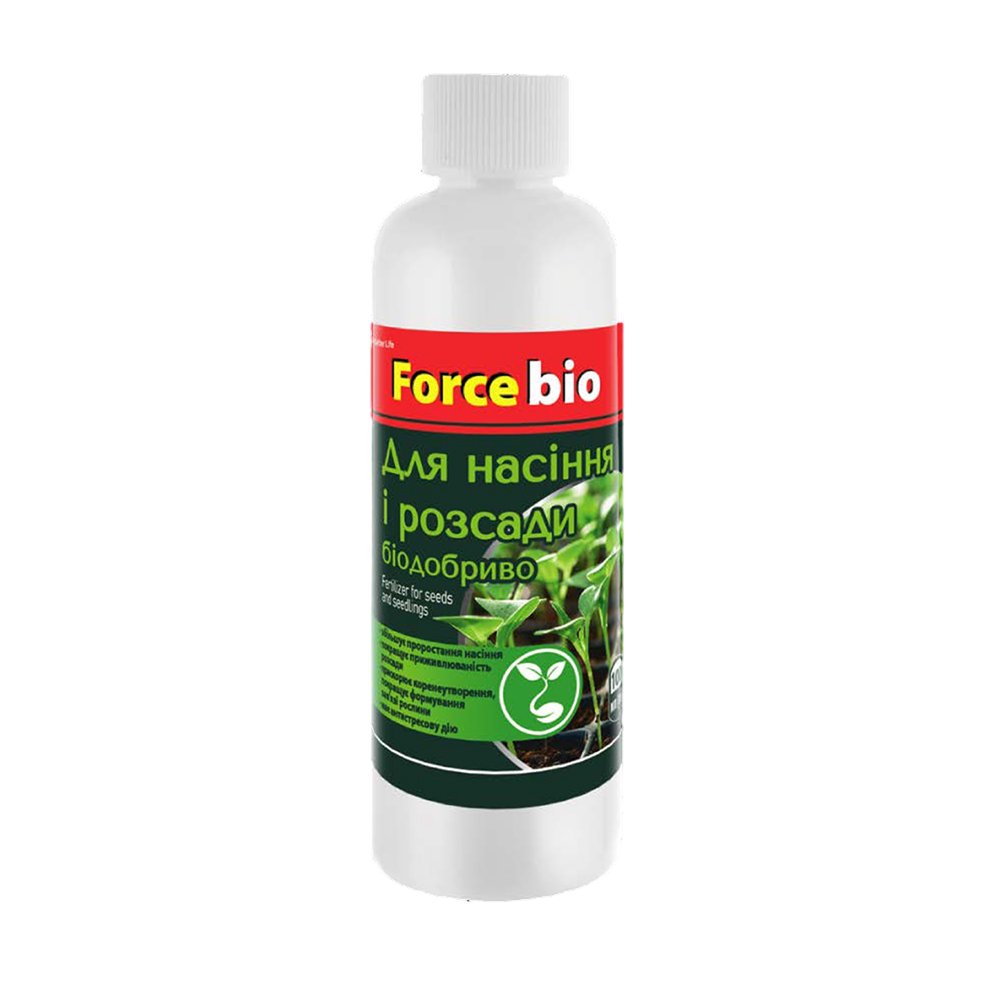
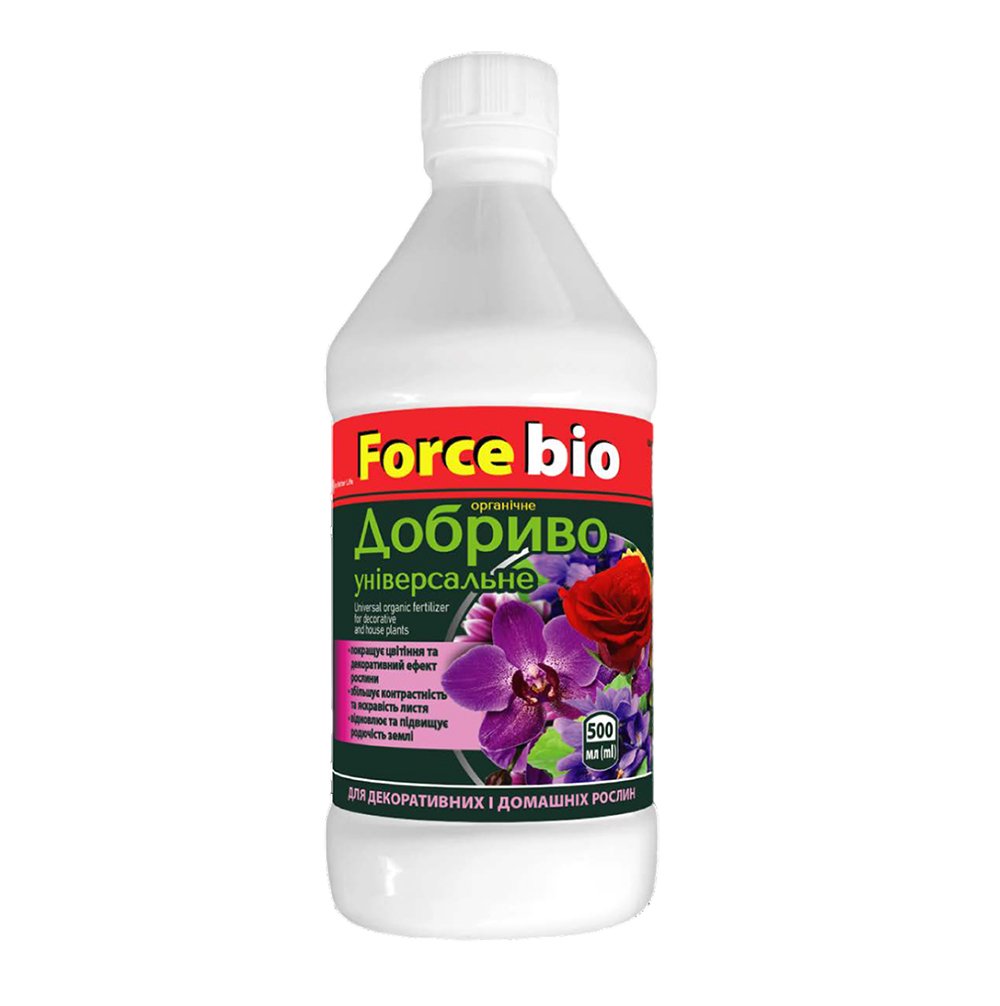
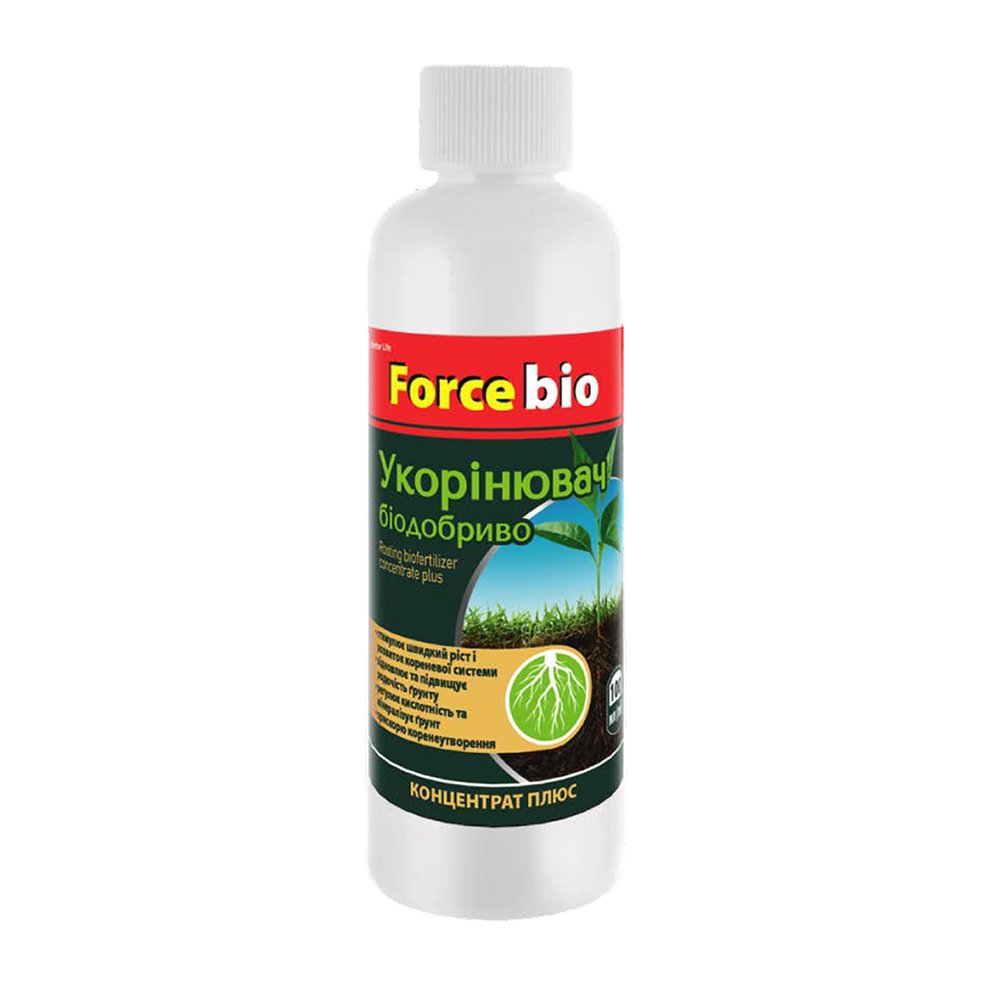
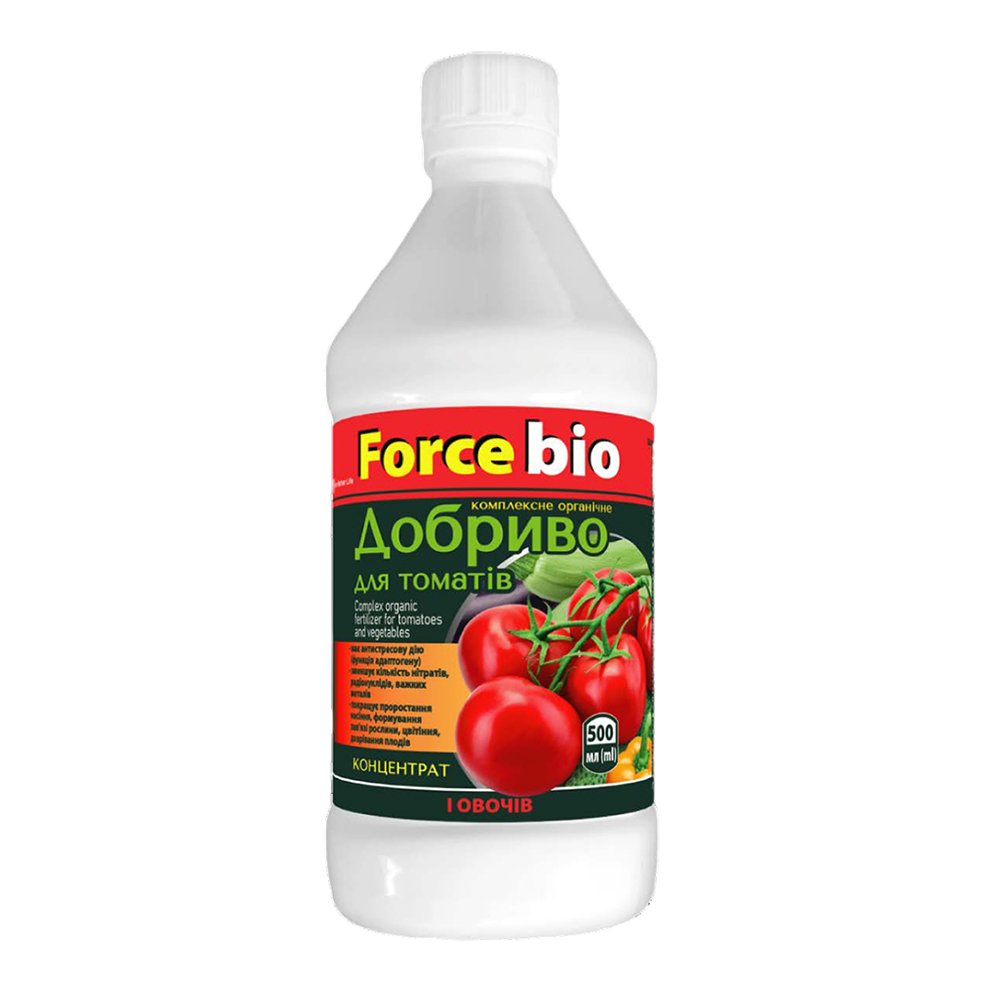
The difference between a plant that simply survives and one that actively flowers and bears fruit often comes down to one factor – the regularity and quality of feeding. This is why liquid fertilizers are so often chosen over granular alternatives. Many gardeners underestimate how quickly soil in a pot or garden bed becomes depleted during intensive plant growth.
What Are Liquid Plant Fertilizers Used For?
Liquid plant fertilizers replenish nutrient deficiencies faster than solid alternatives because the solution is immediately available to the root system. Granular formulations usually need time to dissolve in the soil, whereas liquid fertilizers begin working almost as soon as the plant is watered.
It makes sense to buy liquid fertilizers in advance rather than waiting until a plant shows obvious signs of nutrient deficiency – yellowing leaves and slowed growth are harder to correct than prevent.
Types of Liquid Fertilizers
The range of liquid fertilizers is divided into several groups:
- liquid micronutrient fertilizers – concentrated formulations targeting a specific element such as iron, magnesium, or boron, used as a targeted treatment when regular feeding does not solve the problem;
- liquid complete fertilizers – a balanced combination of nitrogen, phosphorus, and potassium for the general needs of most crops, eliminating the need to calculate the proportions of different products;
- liquid nitrogen fertilizer – applied separately during the active growth phase when the plant needs this particular nutrient rather than a complete feeding formula.
Applications of Liquid Fertilizers
Liquid fertilizer is now used not only on windowsills but also in commercial agriculture. The Forbetterlife catalogue offers formulations for different purposes – from household bottles for indoor flowers to large canisters for farms.
Liquid fertilizers for wheat and other grain crops are particularly in demand over large areas where mechanized application of granules is difficult or economically inefficient. Such formulations for grain crops are usually supplied in large-volume canisters designed for commercial use. Spraying the solution allows a substantial area to be covered evenly in a single pass of the machinery.
Plant spray based on liquid fertilizer is also used for foliar feeding – through the leaves, bypassing the soil and root system. This method is particularly effective when the roots are temporarily unable to absorb nutrients properly due to plant stress or disease.
Mineral formulations in this liquid fertilizer category are suitable for almost any garden or vegetable crop, provided the concentration specified on the packaging is strictly followed.
Ornamental and Specialized Formulations
Individual formulas are selected for specific purposes:
- for lawns – nitrogen-based formulations that maintain a rich green color without excessive vertical growth;
- for flowers – potassium and phosphorus to support abundant and prolonged flowering;
- for conifers – mixtures containing magnesium and iron to prevent needle yellowing, which is most often associated with a deficiency of these elements;
- for vegetables – balanced complexes that account for the uneven nutrient requirements of tomatoes, cucumbers, and cabbage at different growth stages.
Organic fertilizer made from natural ingredients is suitable for those who consciously avoid synthetic formulations, even at the expense of faster results.
How to Choose Liquid Fertilizer
The selection criteria include several points:
- the plant’s stage of development – young seedlings need nitrogen for vegetative growth, while mature plants during flowering need potassium and phosphorus;
- the concentration of the active ingredient – a solution that is too strong can burn the roots, while a weak one will not produce a noticeable effect;
- the type of crop and the characteristics of the soil on the site – these factors determine which formulation will deliver the best results.
How to Use Liquid Fertilizers Correctly and Safely
Always dilute the solution strictly according to the instructions on the packaging. Estimating the amount by eye is not appropriate, even when a plant shows clear signs of nutrient deficiency. It is best to plan feeding for the morning or evening – under direct sunlight, solution droplets can cause leaf burns.
Frequency depends on the formulation. Complete fertilizers are usually applied once every one to two weeks during active growth. Micronutrient fertilizers are used as targeted treatments when symptoms of a specific deficiency appear.
Buy Liquid Plant Fertilizer from Forbetterlife Online Store
Forbetterlife online household chemicals store has brought together both universal complete formulations and specialized formulas for specific crops in one catalogue. You can order the right option directly on the website by specifying the required package size when placing your order.
Delivery is available in Kyiv and throughout Ukraine – Ukraine remains the store’s main service region, and the price of each item is indicated on the product page without hidden markups at checkout. Larger-volume packages are available for farms, which noticeably reduces the overall cost of feeding per liter of ready-to-use solution.